

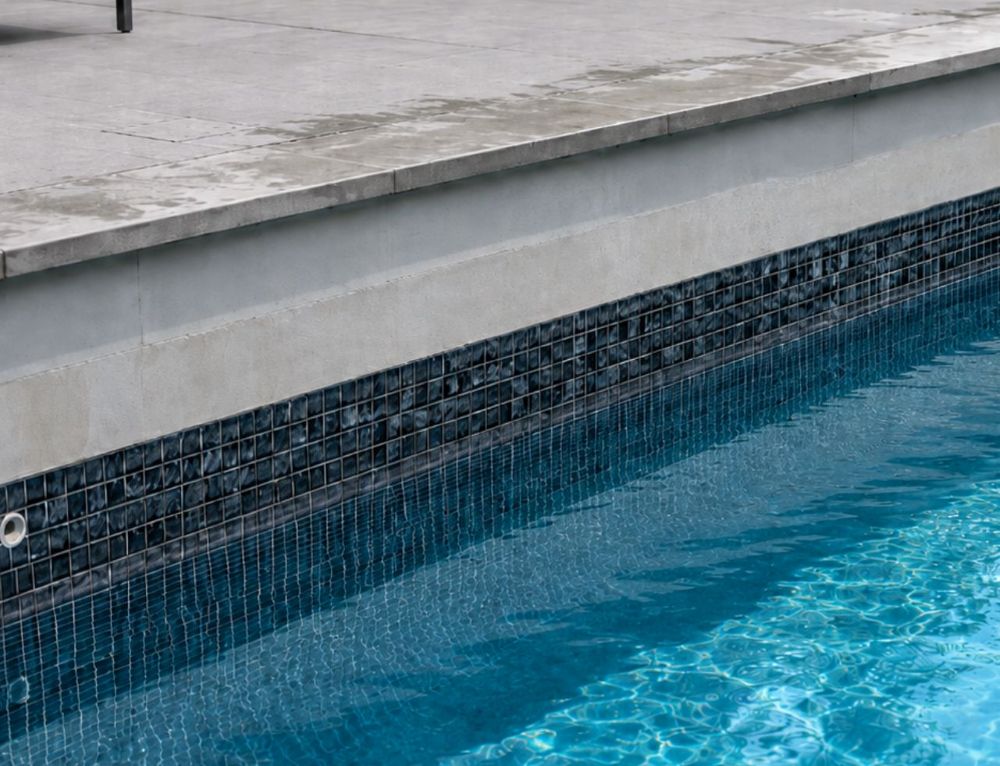
A swimming pool should be something you enjoy, not something that quietly causes stress in the background.
The challenge with pool leaks is that they aren’t always obvious. There may be no dramatic drop in water level or visible crack. Instead, the early signs can be subtle: water that needs topping up more often, damp patches of lawn, or a rise in heating costs.
Left untreated, even a small leak can lead to more expensive repairs, higher running costs and disruption when you want to use your pool most.
The good news? Catch a leak early, and it’s usually a straightforward fix. With professional swimming pool leak detection services in Sussex, our team at Hydrocare can inspect your pool, identify any issues and stop the problem before it develops.
Here are five hidden signs your pool might have a leak, and what to do if you spot them.
Sign 1: Your Pool Water Level Keeps Dropping
Some water loss is completely normal. During warm spells, outdoor pools naturally lose water through evaporation. But if you’re noticing the level dropping consistently, something else is likely going on.
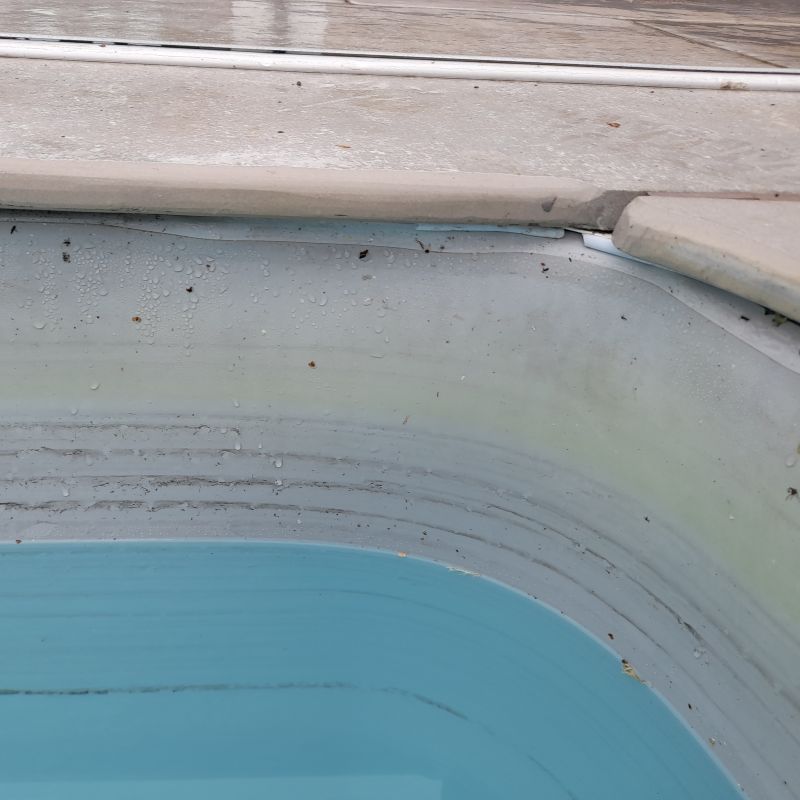
Has there been heavy rain recently? Many swimming pools have a hydrostatic release valve (HRV), which can open if groundwater levels temporarily rise. Once the groundwater subsides, the valve does not always reseat properly, which can allow water to escape. If this is diagnosed as the issue, it can usually be replaced with the water still in the pool by professional divers.
A simple way to check is to monitor the water level. Usually, if the weather has mostly been dry and the cover has been on your pool, water loss is not expected unless the filter has been backwashed.
What to do: If the pool is consistently losing more water than usual, it’s time to call in the professionals for a proper swimming pool leak detection check.
Sign 2: The Water Chemistry Is Harder to Balance
A pool leak doesn’t always show through the water level alone. Sometimes, the first sign is water that becomes harder to keep clear and balanced.
If you are regularly adding fresh water to replace what’s lost, the pool’s chemistry can become unsettled. Chlorine levels, pH, and general water clarity may be harder to maintain, and you may find the water turns cloudy more often or requires more frequent adjustments.
What to do: Keep a record of how often you top up the pool and whether the water balance is becoming harder to maintain. If both are happening at the same time, arrange a pool leak-detection inspection to check whether hidden water loss is affecting your pool care routine.
Sign 3: The Pump or Filtration System Seems to Be Working Harder
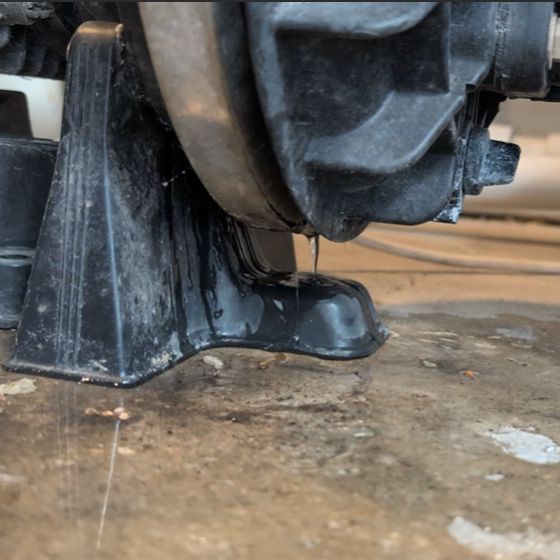
Your pool equipment can often reveal that something isn’t quite right.
Bubbles returning to the pool, changes in filter pressure, unusual pump noises or weaker water flow can all suggest the system is under strain. It may be a leak, air in the system, a blockage or worn equipment, but it is always worth checking before the issue develops.
What to do: Keep an eye on changes in pump behaviour, air in the pump and filter, pressure readings, water flow and bubbles returning to the pool. If your pool system no longer feels settled, get in touch with us to find out whether the issue is linked to a leak, equipment fault or maintenance problem.
Sign 4: Damp Patches, Soft Ground or Movement Around the Pool
In some cases, the evidence of a leak can appear around the pool. If you notice damp patches, loose paving, soggy, fast-growing grass or soft ground near your pool, that’s a sign that water is escaping somewhere it shouldn’t be.
This can indicate a structural leak in the pool shell itself or a fault in the underground pipework. For pool owners with a carefully designed outdoor space, acting early can help protect the pool, paving, patio and surrounding finishes.
What to do: Walk around the pool area and check for damp, soft or uneven ground, especially near the pool edge, plant room and pipework routes. If anything feels unstable or different from normal, book an inspection before the issue causes further damage.
Sign 5: Cracks, Stains or Changes to the Pool Finish
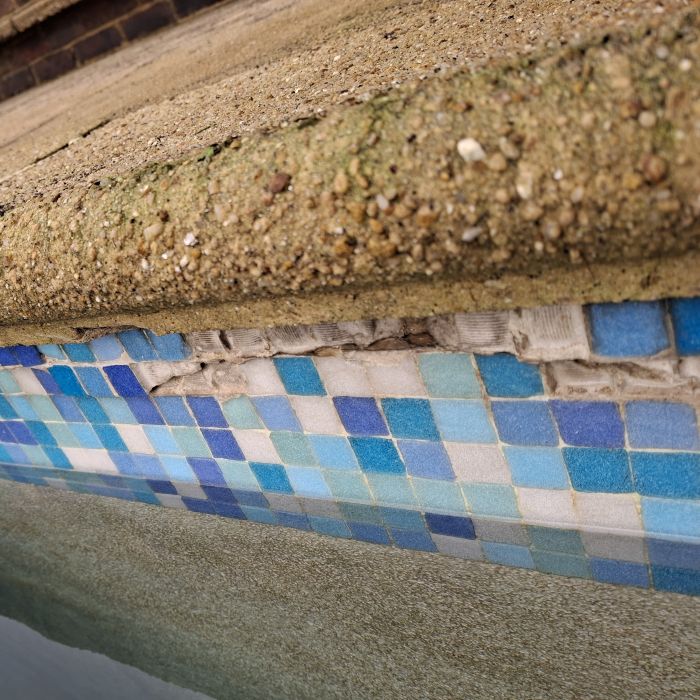
Small visual changes can be easy to dismiss, especially if the pool still looks good overall. However, cracks, staining, loose tiles, damaged grouting or changes to the pool finish shouldn’t be ignored.
Not every crack means your pool is leaking. Some marks may be cosmetic or related to age and general wear. But they can sometimes indicate water movement, structural stress or an issue that needs closer inspection.
What to do: Make a note of any cracks, staining, or loose tiles. If you’re unsure of how bad they are, it’s best to get them properly assessed early on. Repairing cracks isn’t always as expensive as you might think. An expert eye can often find and repair a leak in a single visit.
So, What Should You Do Next?
If any of the signs above sound familiar, the most important thing is not to ignore them. Pool leaks rarely fix themselves, and the longer they’re left, the more impact they can have on your pool’s structure, your garden, and your running costs.
Book Swimming Pool Leak Detection in Sussex
With the right team, an early inspection will have your pool in perfect condition for summer.
At Hydrocare, our pool leak detection experts use specialist equipment to locate leaks without unnecessary disruption to your swimming pool or garden. We’ll carry out a thorough inspection, give you an honest assessment, and recommend only what’s actually needed.
Any repair work is targeted, efficient, and as minimally invasive as possible.
Frequently Asked Questions
How do I know if my swimming pool has a leak?
Common signs include a water level that keeps dropping, damp patches around the pool, soft ground, harder-to-balance water chemistry, unusual pump behaviour or visible cracks and staining. If these issues continue, it is worth arranging professional swimming pool leak detection.
What happens if I leave a pool leak untreated?
Leaving a leak untreated tends to make things worse over time. You’ll likely see rising water bills, increased chemical costs, and potential structural damage to your pool and the surrounding area. If you have a liner swimming pool, the liner may become loose or ‘baggy’. In serious cases, persistent water loss can compromise the integrity of the pool shell. Early action almost always means a simpler, more cost-effective repair.
How much does pool leak detection in Sussex cost?
Costs vary depending on the type and location of the leak, and the size of your pool. The best way to get an accurate idea is to contact our team at Hydrocare for a no-obligation consultation. We’ll always give you a clear, honest quote before any work begins.
