

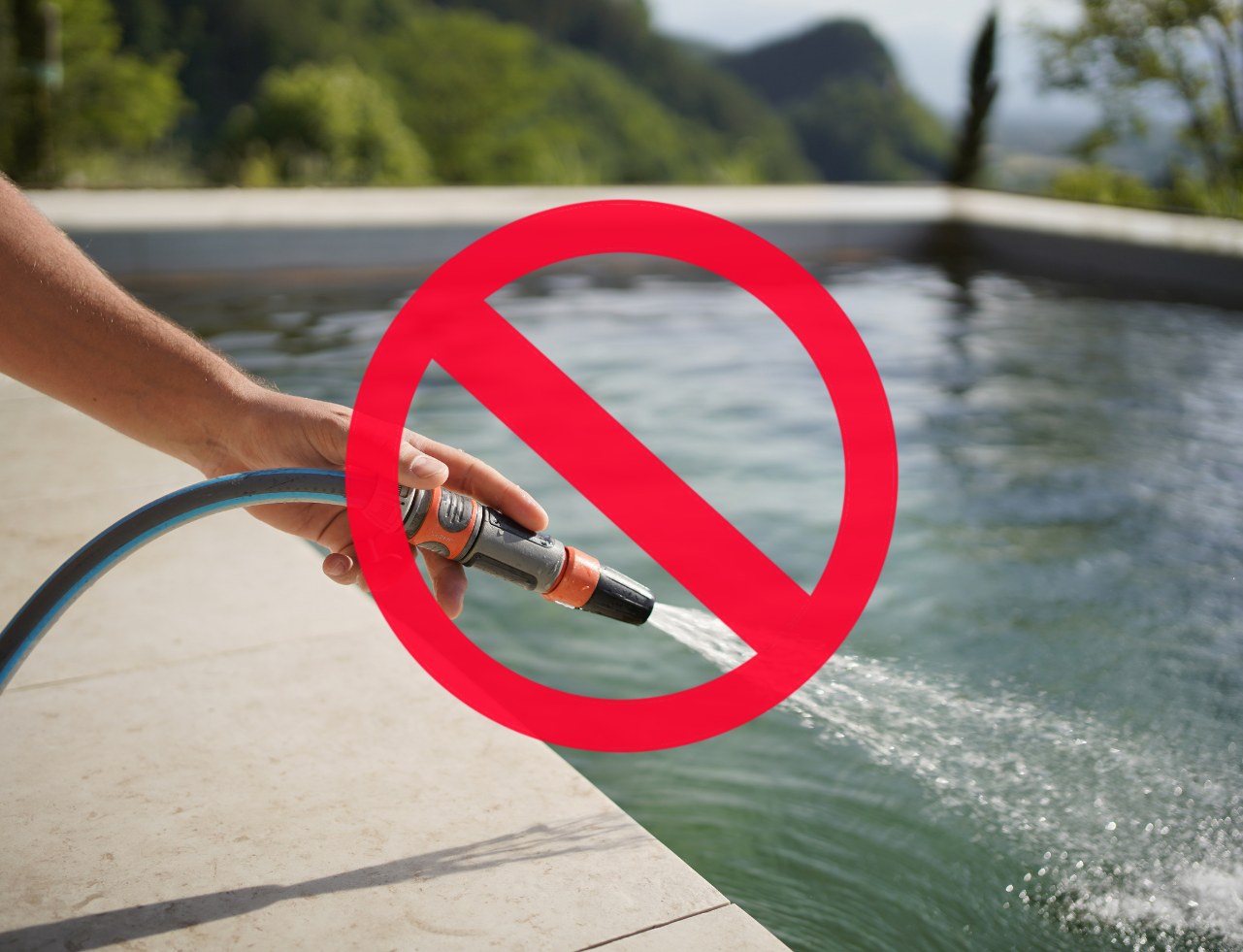
When water restrictions hit the UK, hosepipe bans leave many swimming pool owners facing the challenging dilemma: how do you maintain a clean, safe swimming environment without access to your trusty hosepipe? The good news is that clear water, safe chemistry, and reliable circulation don’t have to stop just because you can’t use a hosepipe.
The key to successful hosepipe ban pool care is prevention over cure. By minimising water loss, maximising existing water efficiency, and adapting your pool maintenance routine, you can keep your swimming pool crystal clear throughout even the strictest water restrictions. This approach not only helps you comply with regulations but also demonstrates environmental responsibility during drought conditions.
At Hydrocare, we’ve helped many hundreds of swimming pool owners through dry spells and restrictions. Here’s how to keep your pool healthy, efficient, and inviting, without breaking the rules.
Can I Top Up My Pool During a Hosepipe Ban?
During a Temporary Use Ban, topping up a domestic pool with a hosepipe is generally restricted, but there are some exceptions. You can add water using a hand-held container, such as a bucket or watering can, or a water recycling system. A hosepipe may also be used where necessary in the course of a pool’s construction, or after significant refurbishment, for example altering the pool’s shape or size, repairing a significant leak, or installing a completely new liner. Minor repairs, such as replacing tiles, don’t qualify, and once a pool has been refilled, a hosepipe can’t be used for any further top-ups.
Keeping your water level steady matters, as letting a pool drop too low can risk damage, particularly to liner pools. The best approach during a ban is to reduce water loss in the first place, using the steps below, and to top up only within the rules. Restrictions vary between water companies, so if you’re unsure whether an exception applies to your pool, get in touch and we’ll advise.
Start with the Basics: Keep Circulation Strong
When hosepipe use is restricted, circulation becomes even more important. A well-functioning pump and pool filter system prevent stagnation and reduce the need for extra cleaning.
At Hydrocare, we recommend running your pump at least 8–10 hours a day to maintain water quality and keep water moving. Regularly clean baskets and filters to prevent clogs, as debris builds up more quickly during hot, dry weather. Circulation alone goes a long way in maintaining safe, balanced swimming pool water.
Control Evaporation and Water Loss
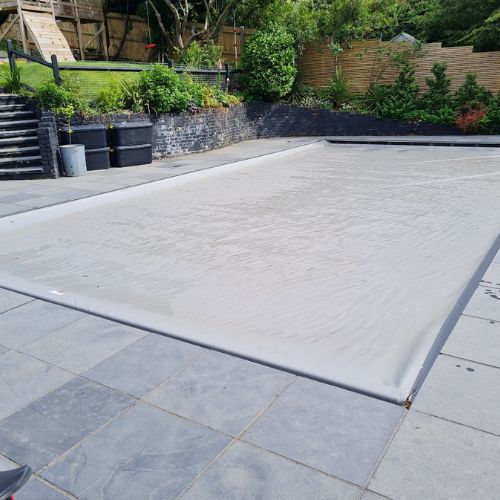
Without a hosepipe, topping up your swimming pool is more difficult, so prevention is crucial. A durable pool cover can reduce evaporation by up to 90%. Beyond evaporation control, covers prevent debris accumulation. This means less cleaning and fewer chemicals needed for rebalancing. Evaporation adds up quickly in warm, breezy weather. An uncovered pool can lose around 5mm of water a day during a hot spell, so keeping the cover on whenever the pool isn’t in use is the single most effective thing you can do.
Cover your pool immediately after swimming sessions, especially during high temperatures and windy conditions when evaporation is at its peak. For maximum efficiency, it’s important to ensure your cover fits snugly and remove any standing water that might cause sagging.
Positioning garden furniture or planting natural shade near the pool also helps maintain stable water levels.
Adjust Your Routine to Save Water
A few small changes to how you run your pool can noticeably reduce water use during a ban:
- Backwash less often, and for less time. Leaving longer gaps between backwashes, and keeping each one short, saves a surprising amount of water while still keeping your filter working properly.
- Turn off water features. Fountains, jets and spillover features increase surface movement and evaporation, so switching them off during a ban helps hold your water level.
- Lower the temperature where you can. A slightly cooler pool evaporates less. Easing the temperature down during a restriction reduces losses without taking the pool out of use.
Maintain Clean Surfaces and Water Quality
Even when water levels are stable, surfaces need care. Brush walls and floors weekly to prevent algae from spreading, and skim debris daily to reduce pressure on the filter. We see many swimming pool owners underestimate the value of manual pool cleaning during restrictions.
We also recommend robotic cleaners, available through our shop, for those who want a low-effort option that saves water and energy.
Stay on Top of Water Chemistry
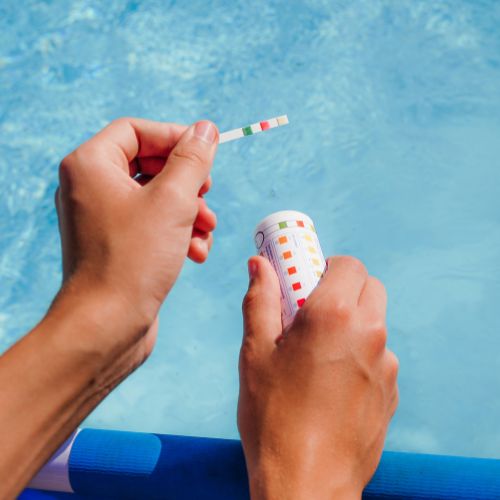
Chemical balance is key when fresh top-ups are limited. Test pH, chlorine, and alkalinity weekly, and adjust carefully to avoid overuse. Shock treatments, administered every couple of weeks (or after heavy use), help prevent bacteria from building up.
If you’re unsure, we offer testing as part of our regular maintenance and servicing to maintain the correct chemical balance and keep your swimming pool safe without wasting water. Balanced chemistry prevents cloudy water, staining, and irritation, issues that become more noticeable during a ban.
Recycle and Reuse Where Possible
Many clients ask us how to add water to their swimming pool without breaking hosepipe ban rules. One smart solution is using rainwater collection systems. Stored safely, recycled rainwater is an eco-friendly way to maintain levels.
Some owners also recycle backwash water for cleaning patios or plants. At Hydrocare, we help clients set up these systems so they can stretch their resources responsibly.
Hydrocare’s Checklist for Hosepipe Ban Pool Care
Here’s a quick summary of the essentials:
| Task | Frequency | Benefit |
| Run pump & clean filters | Daily/Weekly | Keeps water circulating & safe |
| Use a pool cover | Always | Reduces evaporation |
| Skim and brush surfaces | Daily/Weekly | Prevents algae & debris buildup |
| Test water chemistry | Weekly | Maintains balance & safety |
| Shock treatment | Every 2 weeks | Eliminates bacteria & buildup |
| Space out and shorten backwashes | As needed | Saves water while keeping filtration effective |
| Switch off water features | During ban | Reduces surface evaporation |
| Lower pool temperature | Where possible | Cuts water loss |
| Recycle rainwater | As needed | Eco-friendly water replacement |
Final Thoughts
A hosepipe ban doesn’t mean giving up on your swimming pool. With consistent circulation, careful chemistry, and smart prevention, you can enjoy clean and safe water all summer. At Hydrocare, we don’t believe in one-size-fits-all advice.
Every pool is unique, and we’re here to help you find solutions that work for your lifestyle. If you’d like tailored guidance or a professional maintenance check, our team is ready to keep your swimming pool in peak condition, even during restrictions.
